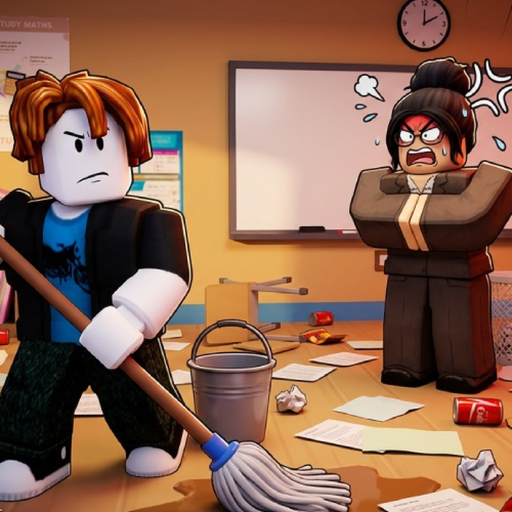
Start here
Pick one visible area, scan for a clear object family, select one item, place only on the game's cue, and recheck the area and progress display before moving on.
Reduce wasted movement and failed placements by repeating a small observation loop. No unsupported speed, reward or optimal-route claims are used.
Pick one visible area, scan for a clear object family, select one item, place only on the game's cue, and recheck the area and progress display before moving on.
Limit the current pass to a shelf or visible classroom section so you can see which objects and progress indicators change.
Work through books, school supplies, chalkboards or desks as they appear. Do not assume every family shares one placement rule.
Scan, select, interact or place, then recheck. Correct controls and a live placement cue matter more than a guessed speed route.
When the current area no longer shows an obvious incomplete object or valid cue, move to the next visible area and watch milestone progress.
Stop repeating the same input. Confirm the device binding, reselect the visible object, look for the live placement cue, and use the linked troubleshooting page if the state still does not change.
No repeatable timing study or official optimal route was collected.
Drop and place are different actions; recheck the device binding first.
No public reward or upgrade-return table supports farming math.
No confirmed fastest route is available. A small scan-select-place-recheck loop reduces obvious wasted actions.
No universal family order is published. Start with the clearest nearby placement cues.
No reliable item weighting or timing dataset is available for that calculation.
Move after rechecking the current area and finding no clear remaining object or placement cue.